Common Pregnancy Complications and How to Avoid Them
Published on - 25 Apr 2026
Share :


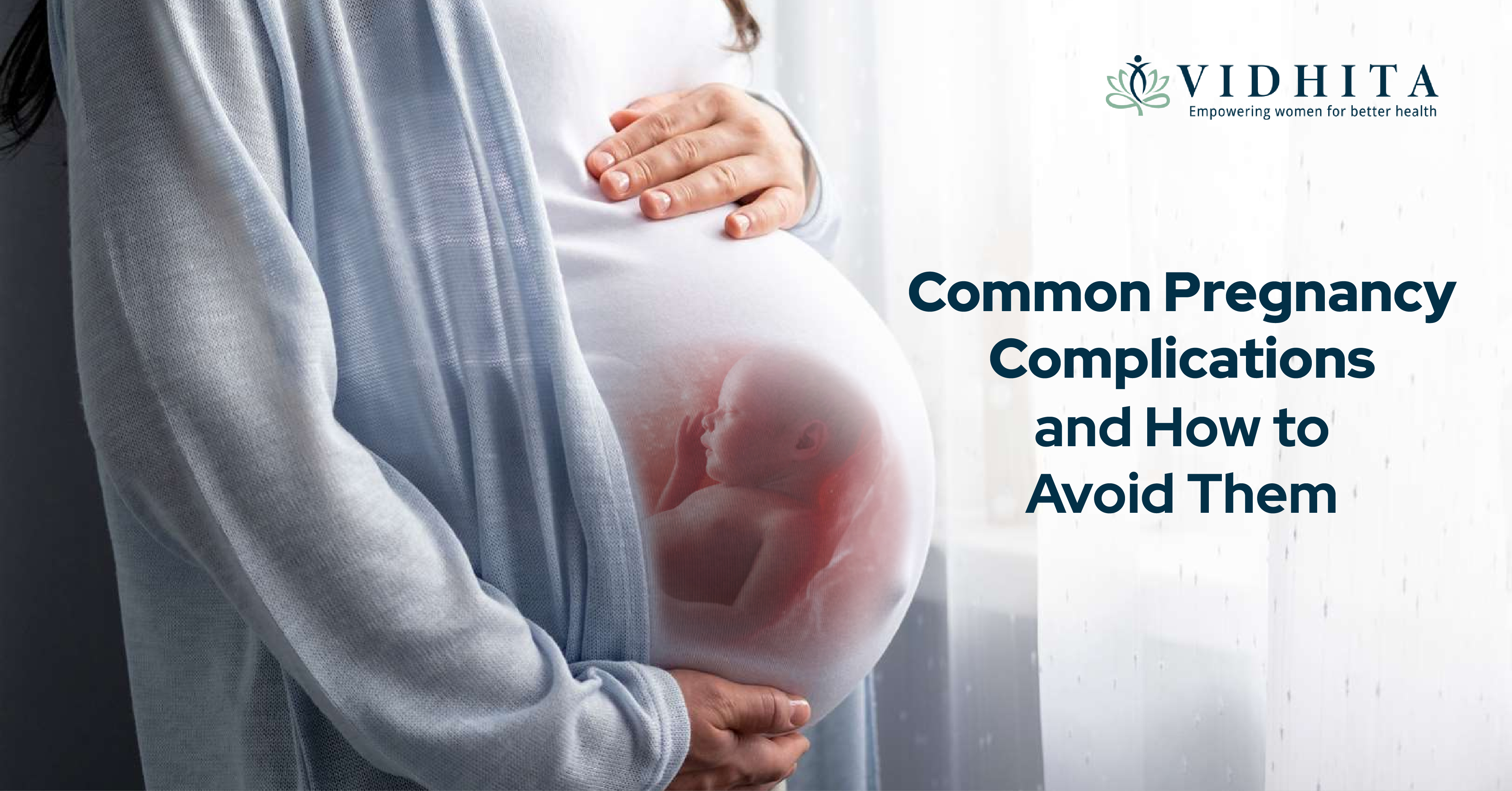
Pregnancy is a beautiful journey, but it also comes with certain health challenges. Understanding common pregnancy complications, their symptoms, and prevention strategies is essential for ensuring a safe and healthy experience for both mother and baby.
While many women experience normal pregnancies, some may face complications during pregnancy that require medical attention. Being aware of these risks can help you take proactive steps toward a healthy pregnancy.
What Are Pregnancy Complications?
Pregnancy complications refer to health problems that occur during pregnancy and may affect the mother, baby, or both. These issues can arise at any stage and may lead to a high risk pregnancy if not managed properly.
Some complications are mild, while others can be serious if ignored. Early detection and proper care play a crucial role in minimizing pregnancy health risks.
Common Pregnancy Complications You Should Know
1. Gestational Diabetes
Gestational diabetes occurs when blood sugar levels rise during pregnancy. It can increase the risk of premature birth and high birth weight.
Symptoms:
- Increased thirst
- Frequent urination
- Fatigue
2. High Blood Pressure (Preeclampsia)
This condition is one of the most serious complications during pregnancy and can affect organs like the liver and kidneys.
Pregnancy complications symptoms include:
- Severe headaches
- Swelling in hands and face
- Vision problems
3. Anemia
Anemia is common due to increased blood demand. It can lead to fatigue and complications if untreated.
Symptoms:
- Weakness
- Dizziness
- Pale skin
4. Preterm Labor
Preterm labor happens when contractions begin before 37 weeks of pregnancy.
Symptoms:
- Lower back pain
- Regular contractions
- Vaginal discharge changes
5. Miscarriage
Loss of pregnancy before 20 weeks is known as miscarriage. It is often caused by genetic or health-related factors.
6. Placenta Previa
This occurs when the placenta covers the cervix, causing bleeding and delivery complications.
Pregnancy Complications Symptoms to Watch For
Recognizing early pregnancy complications symptoms can prevent serious outcomes. Seek medical help if you experience:
- Severe abdominal pain
- Heavy bleeding
- Persistent headaches
- Sudden swelling
- Reduced baby movements
Who Is at Risk of High Risk Pregnancy?
A high risk pregnancy may occur due to:
- Age below 18 or above 35
- Pre-existing medical conditions
- Multiple pregnancies (twins/triplets)
- Poor lifestyle habits
Understanding your risk helps in better monitoring and timely intervention.
How to Avoid Pregnancy Complications
Preventing complications is possible with the right care and awareness. Here are proven tips for healthy pregnancy:
1. Regular Prenatal Checkups
Routine doctor visits help monitor your health and detect any early signs of complications.
2. Maintain a Balanced Diet
Eat nutrient-rich foods including:
- Iron
- Calcium
- Protein
- Folic acid
This supports fetal development and reduces pregnancy health risks.
3. Stay Physically Active
Light exercises like walking or prenatal yoga can improve circulation and overall well-being.
4. Avoid Harmful Substances
Stay away from:
- Alcohol
- Smoking
- Unprescribed medications
5. Manage Stress
Practice relaxation techniques such as meditation and deep breathing.
6. Monitor Weight Gain
Healthy weight gain reduces risks like gestational diabetes and high blood pressure.
When to See a Doctor
Immediate medical attention is required if you notice any unusual symptoms. Early diagnosis is key to preventing serious complications during pregnancy.
FAQs
1. What are the most common pregnancy complications?
A: The most common pregnancy complications include gestational diabetes, preeclampsia, anemia, and preterm labor, all of which require proper monitoring and care.
2. How can I avoid pregnancy complications?
A: You can reduce the risk by maintaining a healthy lifestyle, attending regular prenatal checkups, and following medical advice consistently.
3. What are early pregnancy complications symptoms?
A: Early symptoms may include unusual bleeding, severe nausea, dizziness, and abdominal pain, which should be evaluated by a doctor.
4. What makes a pregnancy high risk?
A: A pregnancy is considered high risk when factors such as age, medical history, or multiple pregnancies increase the chances of complications.
5. Can pregnancy complications be completely prevented?
A: Not all complications can be prevented, but early detection and proper care can significantly reduce their impact.
Conclusion
Awareness is the first step toward prevention. Understanding common pregnancy complications, identifying symptoms early, and following the right care practices can significantly reduce risks.
By staying informed and following these tips for healthy pregnancy, you can ensure a safer and more confident journey into motherhood.