Managing Work, Stress & Hormonal Health in Busy Lives
Published on - 14 Mar 2026
Share :


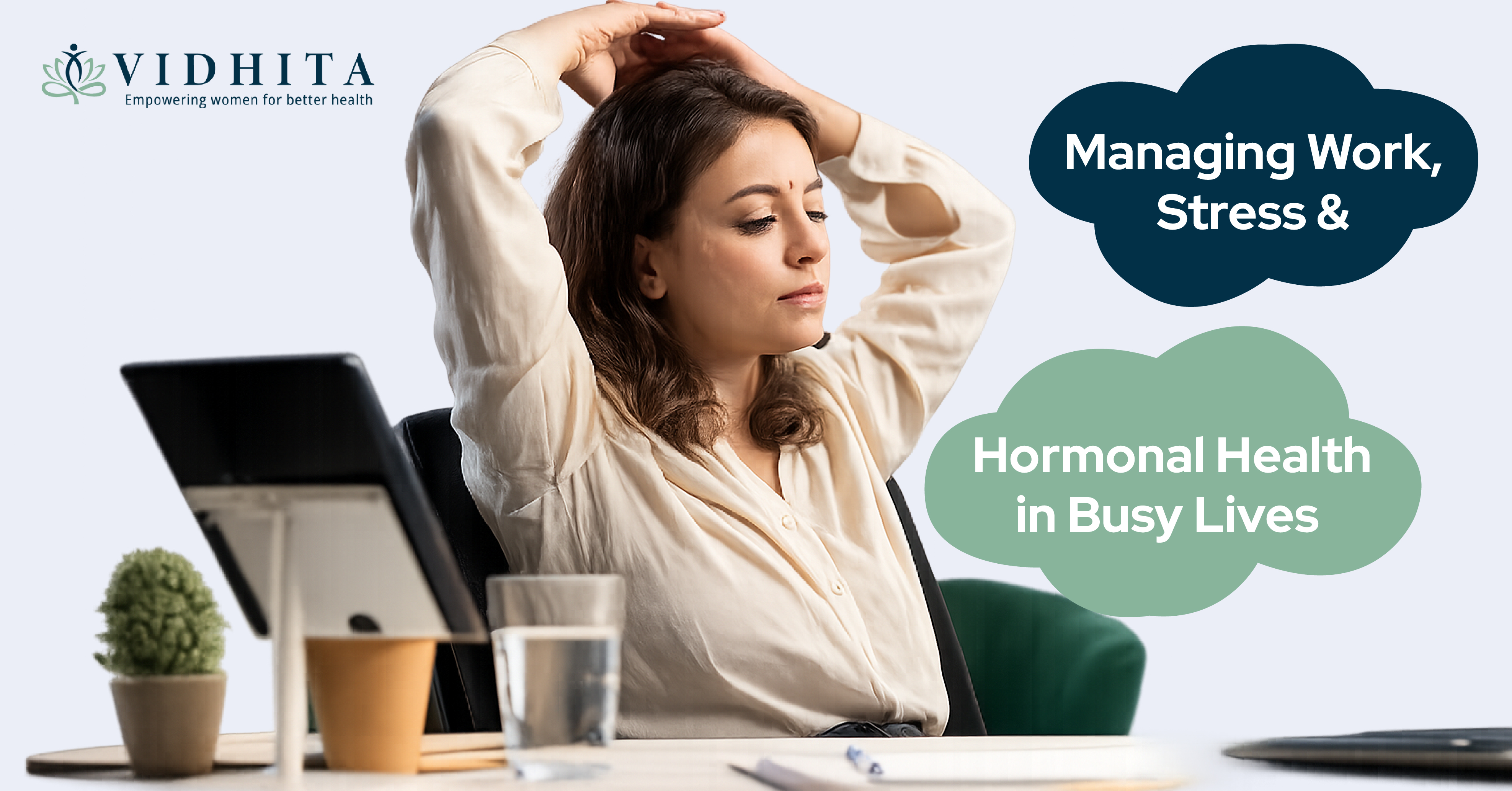
Chronic work stress can disrupt hormonal balance, affecting energy levels, mood, sleep, metabolism, and reproductive health—especially in women, making stress management a critical aspect of women's health. Managing stress through supportive lifestyle habits, balanced nutrition, regular movement, and proper recovery is essential for maintaining hormonal stability in today's fast-paced lives.
This article explores how stress impacts hormones, common symptoms of imbalance, and practical strategies to support hormonal health while managing work pressure.
How Stress Affects Hormonal Health
Stress triggers the release of cortisol, the body's primary stress hormone. While short-term cortisol release is protective, chronic stress leads to hormonal dysregulation.
Effects of prolonged stress include:
- Elevated cortisol levels
- Disrupted insulin regulation
- Altered thyroid hormone activity
- Imbalance in oestrogen and progesterone
- Sleep disturbances and fatigue
Over time, these changes can contribute to weight gain, mood swings, irregular cycles, reduced immunity, and metabolic issues.
Hormonal Balance and Work-Related Stress
Modern work environments often involve long hours, screen exposure, irregular meals, and limited recovery time.
Common work-related stressors:
- Tight deadlines and workload pressure
- Sedentary routines
- Poor sleep schedules
- Emotional stress and mental fatigue
These factors can interfere with the body's natural hormonal rhythms, making stress management a critical part of overall health.
Signs of Stress-Related Hormonal Imbalance
Hormonal disruption caused by stress may present differently in each individual.
Common symptoms include:
- Persistent fatigue
- Mood changes or anxiety
- Sleep difficulties
- Weight fluctuations
- Sugar cravings
- Irregular menstrual cycles
Early recognition allows for lifestyle adjustments before symptoms become more severe.
Practical Stress Management Tips for Busy Lives
Prioritise Sleep and Recovery
Sleep is essential for hormonal repair and regulation.
Tips:
- Maintain consistent sleep and wake times
- Reduce screen exposure before bed
- Create a calming bedtime routine
Quality sleep supports cortisol balance, insulin sensitivity, and emotional regulation.
Nutrition for Stress and Hormonal Support
Balanced nutrition helps stabilise blood sugar and hormone production.
Focus on:
- Regular meals with protein, fibre, and healthy fats
- Limiting excessive caffeine and refined sugar
- Staying well hydrated
Stable blood sugar reduces stress hormone spikes and supports sustained energy.
Physical Activity for Stress Relief
Movement helps lower cortisol and improves mood-regulating hormones.
Recommended activities:
- Walking or light cardio
- Strength training
- Yoga or stretching
Consistency matters more than intensity when managing stress.
Breathing and Mindfulness Techniques
Simple stress-relief practices can quickly calm the nervous system.
Effective techniques include:
- Deep diaphragmatic breathing
- Short mindfulness breaks during work
- Progressive muscle relaxation
These practices reduce cortisol levels and improve focus.
Supporting Hormonal Health Naturally
Maintain Daily Routine and Structure
Predictable routines help regulate circadian rhythms, which influence hormone secretion.
- Eat meals at regular times
- Schedule breaks during work hours
- Balance work demands with personal time
Manage Emotional and Mental Load
Emotional stress has a direct impact on hormonal health.
Helpful strategies:
- Setting realistic boundaries
- Practising time management
- Seeking social support
Reducing mental overload improves both emotional wellbeing and hormonal balance.
Common User Questions
Can stress cause hormonal imbalance?
Yes. Chronic stress increases cortisol, which can disrupt insulin, thyroid, and reproductive hormones, leading to fatigue, mood changes, and metabolic issues.
How can working women manage hormonal health?
By prioritising sleep, balanced nutrition, regular movement, stress-reduction techniques, and consistent daily routines.
How long does it take to improve hormonal balance?
Lifestyle-based improvements may take several weeks to show noticeable benefits, depending on stress levels and individual health status.
Safety and Medical Considerations
Stress management strategies are supportive but not a replacement for medical care.
- Persistent symptoms should be discussed with a healthcare professional
- Hormonal disorders may require clinical evaluation
- Lifestyle changes work best alongside professional guidance
Key Takeaways
- Chronic stress significantly impacts hormonal balance
- Work pressure can disrupt cortisol, insulin, and reproductive hormones
- Sleep, nutrition, movement, and mindfulness are essential tools
- Early stress management prevents long-term hormonal issues
- Holistic lifestyle changes support sustainable wellbeing
Conclusion
Balancing work demands with personal wellbeing is essential for maintaining long-term hormonal health, especially for women who may experience challenges such as Premenstrual Syndrome linked to stress and lifestyle factors. By adopting stress-management techniques, improving sleep quality, nourishing the body properly, and creating supportive routines, individuals can protect both mental and physical health in busy lifestyles.
Platforms like Vidhita by Hetero Healthcare focus on empowering individuals with evidence-based information around women's health, hormonal wellbeing, and stress management. Understanding the connection between stress and hormones enables more informed lifestyle choices that support resilience, balance, and overall quality of life.